

One of the biggest myths about cancer treatment is that patients are passive participants.
In reality, those who actively support their bodies often tolerate therapy better and recover more efficiently. As an oncologist, I focus on three evidence-based areas before treatment begins.
1. Correct Nutritional Deficiencies Early
Many patients enter treatment already low in key nutrients, especially vitamin D and B-vitamins, which affect:
- immune regulation
- cellular repair
- energy metabolism
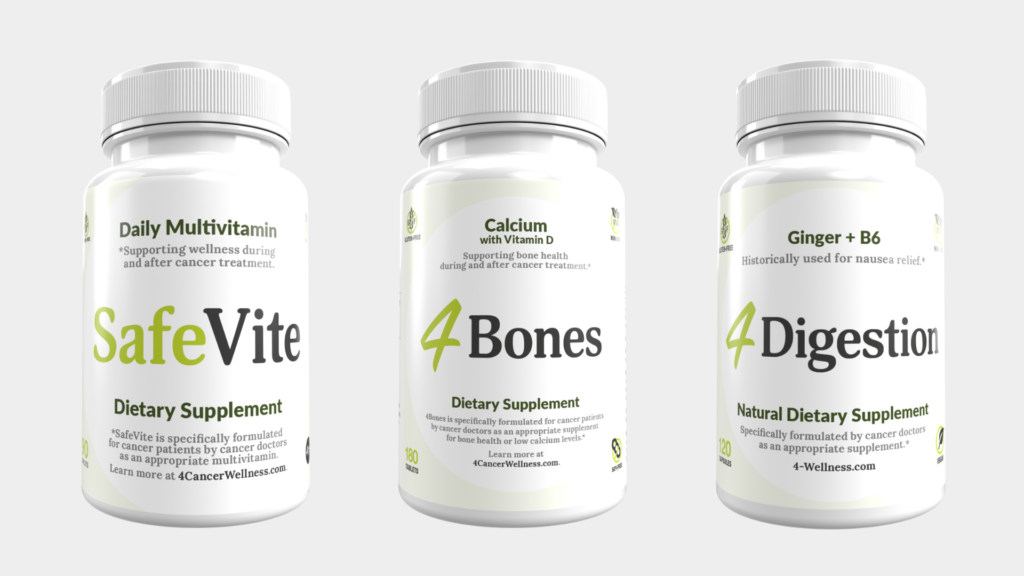
Correcting deficiencies before treatment can reduce fatigue, improve recovery, and strengthen the body’s resilience. SafeVite is designed for oncology-informed nutrient support, providing essential vitamins safely while avoiding compounds that may interfere with therapy.
2. Stabilize Your Sleep Rhythm
Sleep is not just rest — it is biologic repair.
During sleep, the body regulates:
- inflammatory pathways
- hormone balance
- immune signaling
Even small adjustments, like consistent bedtimes and morning light exposure, can improve physiologic stability and reduce treatment-related fatigue.
3. Support Digestive Function Before Therapy
Cancer therapy often affects the gastrointestinal system. Preparing digestion ahead of time may help:
- improve nutrient absorption
- reduce nausea severity
- stabilize appetite
Gentle digestive support strategies and products like 4Digestion can provide targeted support to minimize discomfort.
Why Expert Guidance Matters
Cancer wellness advice online is often conflicting or outdated. Evidence-based guidance from oncology professionals ensures that strategies are safe, clinically appropriate, and personalized to patient needs.
Get Ongoing Support Designed for You
Learning about cancer wellness is a powerful first step. But real progress comes from having the right guidance, at the right time, tailored to your needs.
The 4CancerWellness App was created by oncology professionals to give patients and survivors trusted daily support, personalized education, and deeper guidance beyond what general articles can provide.
Inside, you’ll find structured tools, expert-led resources, and step-by-step support designed specifically for people navigating cancer.
Join the early access list to be notified when it launches.
By Dr. John Halushack, Oncologist